
![The Arc de Triomphe de l'Étoile (Triumphal Arch of the Star) is one of the most famous monuments in Paris. It stands in the centre of the Place Charles de Gaulle (originally named Place de l'Étoile), at the western end of the Champs-Élysées. It should not be confused with a smaller arch, the Arc de Triomphe du Carrousel, which stands west of the Louvre. The Arc de Triomphe honours those who fought and died for France in the French Revolutionary and the Napoleonic Wars, with the names of all French victories and generals inscribed on its inner and outer surfaces. Beneath its vault lies the Tomb of the Unknown Soldier from World War I. The Arc de Triomphe is the linchpin of the Axe historique (historic axis) – a sequence of monuments and grand thoroughfares on a route which runs from the courtyard of the Louvre to the Grande Arche de la Défense. The monument was designed by Jean Chalgrin in 1806 and its iconographic program pits heroically nude French youths against bearded Germanic warriors in chain mail. It set the tone for public monuments with triumphant patriotic messages. The monument stands 50 metres in height, 45 m wide and 22 m deep. Its design was inspired by the Roman Arch of Titus. The Arc de Triomphe is built on such a large scale that, three weeks after the Paris victory parade in 1919 (marking the end of hostilities in World War I), Charles Godefroy flew his Nieuport biplane through it, with the event captured on newsreel. It was the tallest triumphal arch in existence until the completion of the Monumento a la Revolución in Mexico City in 1938, which is 67 metres high. The Arch of Triumph in Pyongyang, completed in 1982, is modelled on the Arc de Triomphe and is slightly taller at 60 m [Wikipedia.org]](https://images.trvl-media.com/place/6187899/ce730aaa-6e04-4cb2-ae2d-4e846d97c027.jpg?impolicy=resizecrop&rw=1920&ra=fit&ch=480)











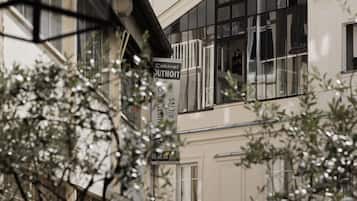

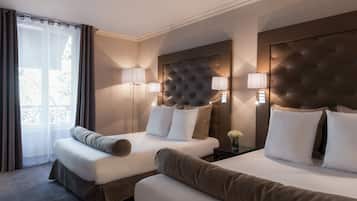

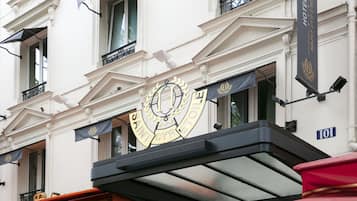
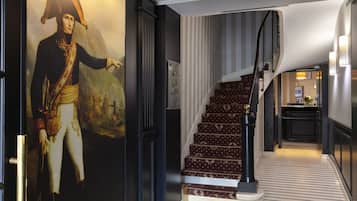







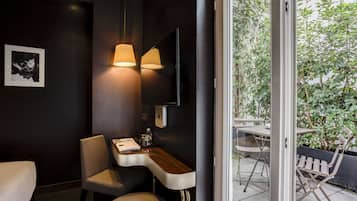
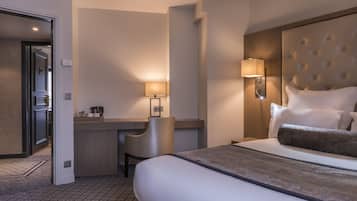

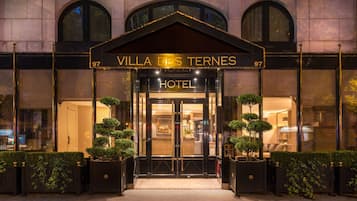
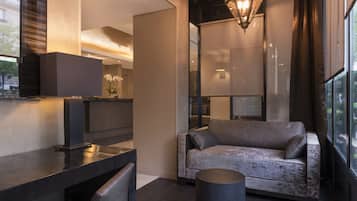

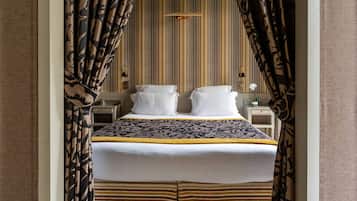
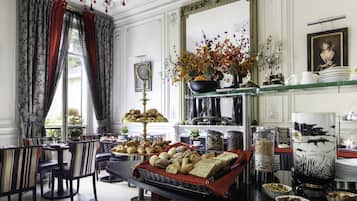
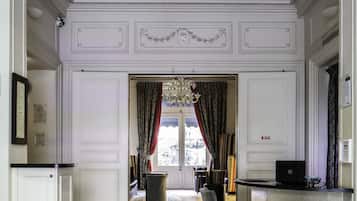
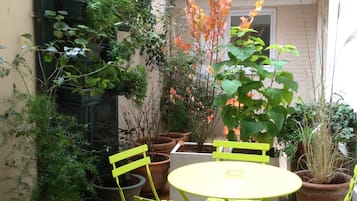


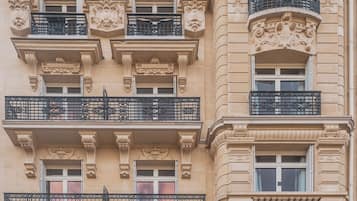


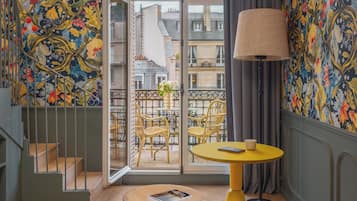






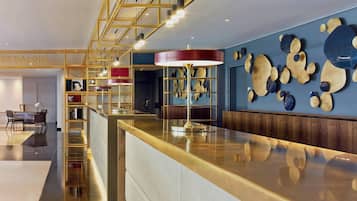







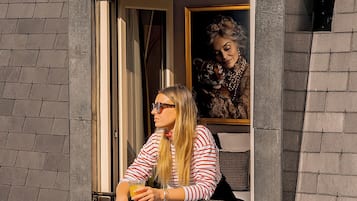
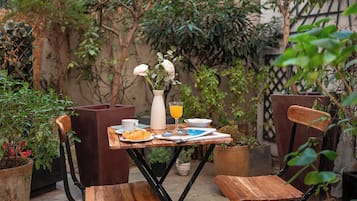
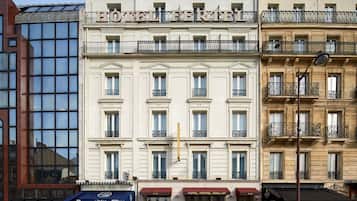
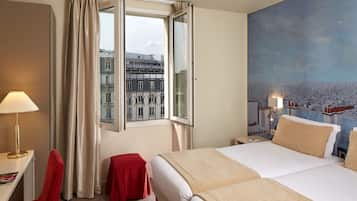

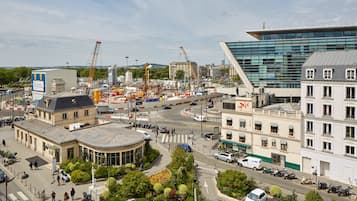
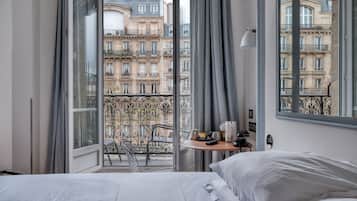

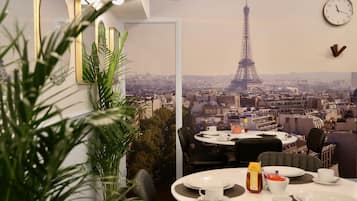





Architectural Wonders and Hidden Gems: Unveiling the Allure of the 17th Arrondissement
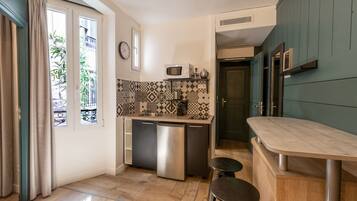
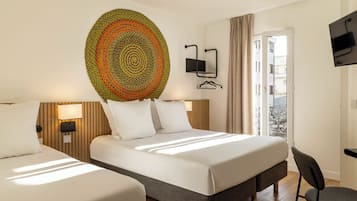
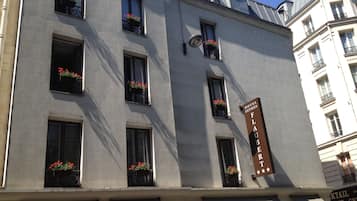
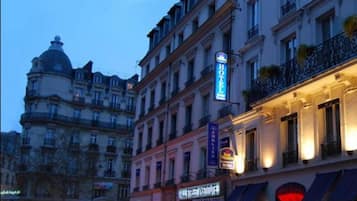
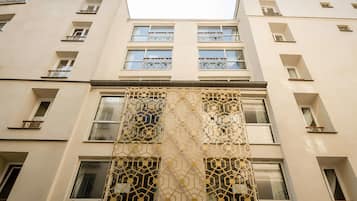
Discover the 17th Arrondissement of Paris, a charming blend of modernity and tradition, where elegant Haussmannian architecture meets contemporary skyscrapers. Stroll through the tranquil Parc Monceau, a picturesque oasis perfect for a leisurely afternoon, or explore the lively streets filled with quaint cafés and boutiques. Don’t miss the Cité des Fleurs, a hidden gem showcasing enchanting gardens. With easy access to the iconic Champs-Élysées and the bustling neighborhoods of Batignolles and Ternes, the 17th offers a unique Parisian experience—ideal for culture lovers and those seeking an authentic slice of city life. For our best hotel rates in 17th Arrondissement and to enhance your stay, be sure to check out Hotels.com's Last-Minute DealsOpens in a new window on travel.